


Forest Bathing
What Is Forest Bathing? A Beginner's Guide to Shinrin-Yoku in British Woodlands
September 19, 2026
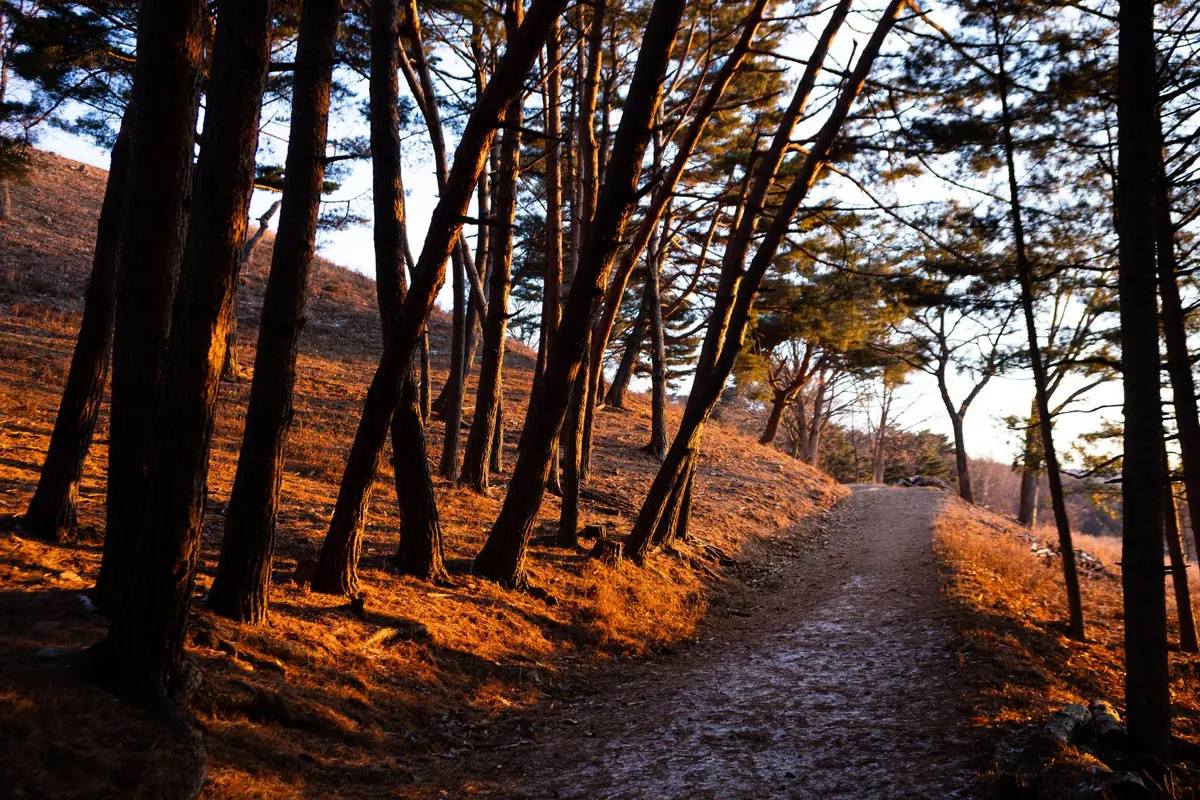
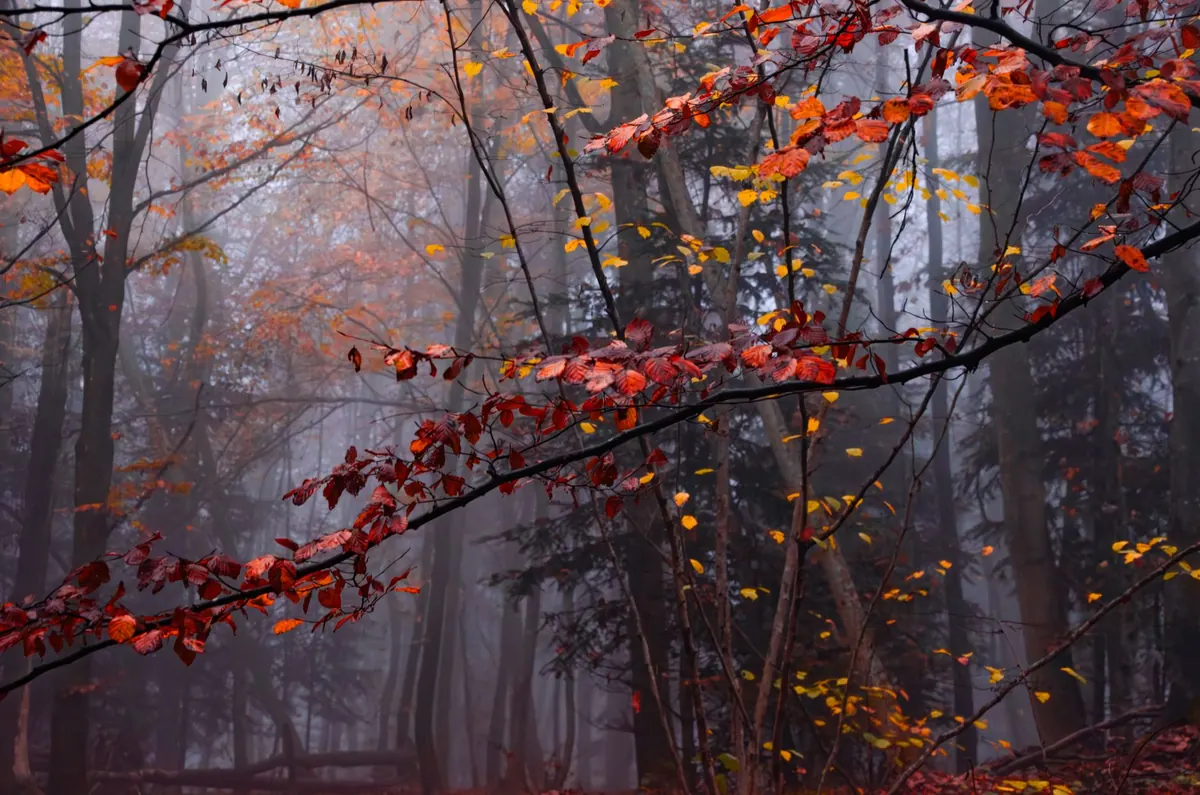
Standing still in a beech wood in late October, you notice things a brisk walk hides: the tick of falling leaves, a nuthatch hammering somewhere above your left shoulder, the smell of wet bark that is almost like rain on stone. Forest bathing is the practice of giving that noticing your full attention for a while. No route card, no target distance, no summit to reach. You go into the trees, slow right down, and let your senses take over.
Where the idea comes from
Shinrin-yoku — usually translated as "forest bathing" — took shape in Japan in the early 1980s, part of a wider effort to encourage people back into the country's woodlands. The word bathing is deliberate. You are soaking in the atmosphere of a place rather than exercising hard inside it. Japanese researchers have taken a longstanding interest in what happens to body and mind during slow time among trees, and the idea has travelled steadily since, arriving in Britain as a recognised form of guided practice, often led by trained forest therapy guides.
You don't need a guide, a qualification or a label for it. You need a wood, and the willingness to do less than you normally would.
What actually happens on a forest bathing walk
If you're picturing a group striding through mud at four miles an hour, think again. A guided session often covers a few hundred metres in an hour and a half, sometimes less. There are pauses. There are invitations — sit here a while, listen to what's behind you, run a hand along that trunk. Sessions commonly end with tea, biscuits and a quiet conversation about what people noticed.
It isn't the same as a hike
Hiking is about distance, ascent and arrival. Forest bathing is about attention. Both are good, and they scratch different itches. On a walk, the scenery passes you by. In a forest bath, you stay put long enough for a place to stop being scenery and start being somewhere you belong.
What you might notice
People come away describing similar things: shoulders dropping, jaw unclenching, a mind that has stopped rehearsing tomorrow's meeting. Standing quietly in woodland also sharpens noticing. You see more birds when you aren't talking, and more tracks when you're moving slowly enough to look at the ground. The smell of damp earth after rain, the temperature change as you pass from open field into canopy — these register properly when you aren't hurrying past them.
Be wary of anyone promising precise medical outcomes. Green space is widely regarded as good for wellbeing, and slow breathing and quiet attention are well-understood ways to settle a busy nervous system. But forest bathing is not a treatment. If you live with anxiety, low mood, chronic pain, or a heart or lung condition, it's sensible to speak to your GP about what suits you, and to choose gentle terrain you can manage comfortably.
Six sensory exercises to try
- The sit spot. Find a log, a dry bank or a stump and stay there for ten to twenty minutes without moving much. Most people find the first five minutes restless and the rest unexpectedly absorbing.
- Sound map. Close your eyes and pick out the nearest sound, then the next one out, then the furthest you can hear. A chiffchaff, a wood pigeon, a distant tractor, wind in the top of an oak. Do it again and the list changes.
- Bark, slow. Compare textures as you move. Beech is smooth and cool, oak deeply ridged, silver birch papery and peeling. Notice which trunk feels warm on the sunny side.
- Smell what's underfoot. Crush a fallen leaf between finger and thumb and smell it. Wet leaf litter, pine resin, the green sharpness of a bruised leaf all wake up the senses quickly. Take only what has already dropped; leave growing things alone.
- Breathing with a count. In for four, out for six. A long, quiet out-breath settles the body faster than a big lungful. Ten rounds is plenty.
- The rain version. When it tips down, stand under a good canopy and listen to the drumming on leaves and the drip reaching the ground. Waterproofs on, hood down, and don't move for five minutes.
Making it work in British woods
Our woodlands are smaller, wetter and more crowded than the cedar forests of the Japanese imagination, and that changes what's practical.
- Go small and go local. A copse behind a housing estate or a corner of a country park works as well as a National Nature Reserve. Fifteen minutes near home will happen; a two-hour drive mostly won't.
- Dress for standing. You chill faster than you expect when you stop moving. An extra layer, a sit mat and decent boots make the difference between twenty minutes and an hour.
- Know where you may go. Much woodland in England and Wales is privately owned, so stick to public footpaths, bridleways and open access land. In Scotland, the right of responsible access is broader. Wherever you are, close gates, take litter home, light no fires, and keep dogs under control near livestock and ground-nesting birds.
- Ticks and midges. In summer, tuck trousers into socks, avoid brushing through long grass and bracken where you can, and check yourself over afterwards. Midge repellent is a kindness to yourself in the west and north.
- Protect the ground layer. Bluebell woods in May are worth a detour, but the bulbs take years to recover from a careless footstep. Stay on the path there, and enjoy the scent of wild garlic from a distance.
Your first twenty minutes
Pick a wood you know, or one you can reach in half an hour. Walk slowly for five minutes, then find somewhere to sit or stand still for ten. Turn your phone face down in a pocket rather than checking it every few minutes. Choose a single sense and follow it — just sound, or just smell, or just the feel of cool air on your face.
Finish by naming one thing you had never noticed about that place before: the lean of a particular tree, the shape of a gap in the canopy, a call you can't yet identify. Then go home. Repeat next week, ideally in the same wood. The practice gets easier the less you try to achieve, and a familiar patch of trees will keep giving you new material for years.
Photo: sysedit2 / Pexels
Related posts
More stories you’ll love reading